Golden salmon burgers are the kind of dinner that feels lighter than a beef burger but still lands with enough texture and flavor to satisfy burger night cravings. The patties hold together well, sear up with crisp edges, and stay tender in the middle instead of turning dry or crumbly. Served on a toasted bun with lettuce, tomato, and a tangy sauce, they taste fresh, clean, and just a little bit special.
What makes this version work is the balance of moisture and structure. The mayonnaise and egg keep the chopped salmon juicy while the breadcrumbs give the patties enough body to form cleanly and sear without falling apart. Dijon, lemon juice, and dill sharpen the flavor so the salmon stays front and center instead of tasting muted or overly fishy.
Below, I’ll walk through the one step that matters most for getting a sturdy patty, plus a few swaps that still keep the burgers crisp and flavorful. If you’ve had salmon burgers collapse in the pan before, this method fixes that.
The patties held together beautifully and got this crisp golden crust without falling apart in the skillet. I used the lemon-dill sauce with it, and my husband said it tasted like a restaurant burger.
Save these salmon burgers for the night you want a quick skillet dinner with crisp edges and a bright lemon-dill bite.
The Secret to Salmon Burgers That Hold Together in the Pan
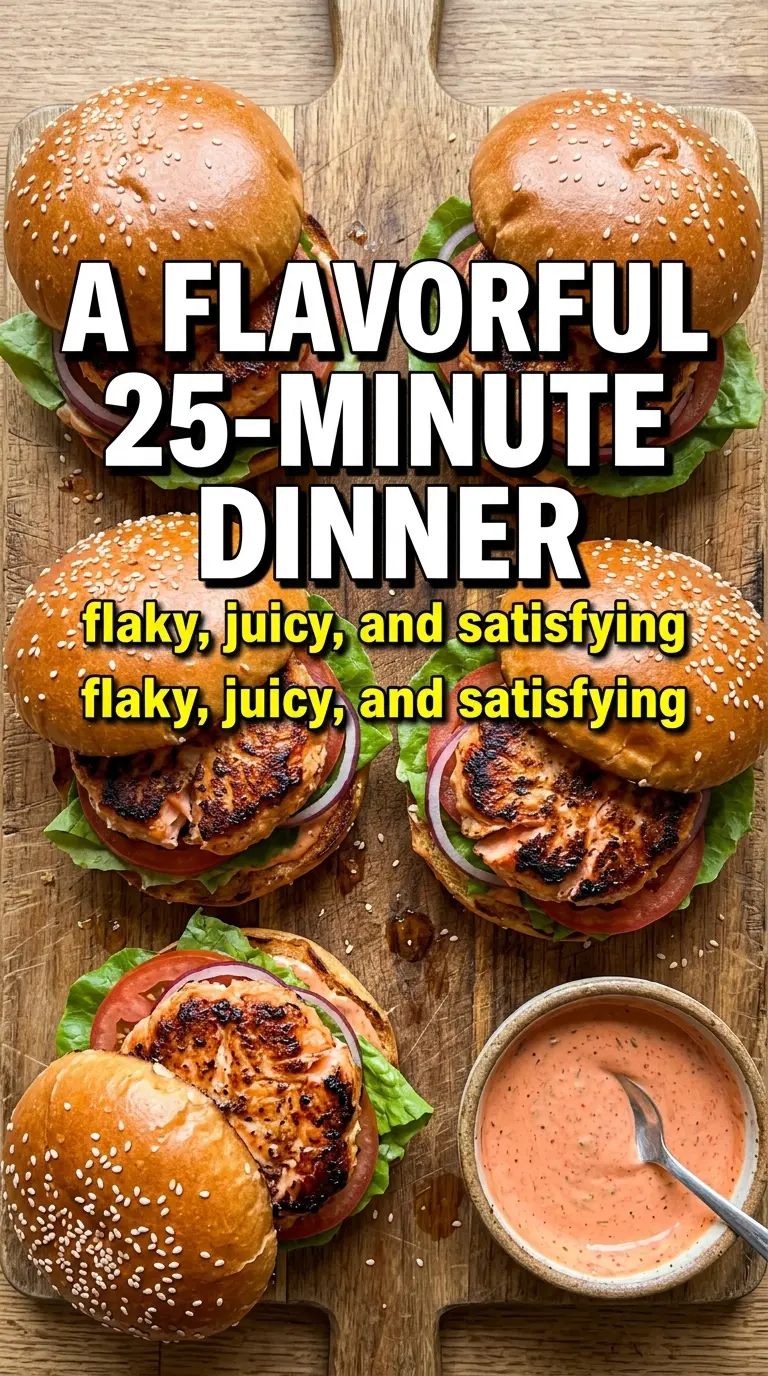
Most salmon burgers fail for one of two reasons: the fish is chopped too fine, or the mixture is too wet. When salmon turns into a paste, the patties can eat up dense and lose that nice flaky bite. When it’s loose and underbound, they spread in the skillet before the crust has time to set. The sweet spot is a coarse chop that still looks like salmon, held together just enough with egg, mayonnaise, and breadcrumbs.
Let the mixture sit for a couple of minutes after you combine it. The breadcrumbs absorb moisture, and that short rest gives you patties that shape cleanly instead of slumping as soon as they hit the pan. If the mixture still feels sticky, add a spoonful more breadcrumbs, not more mayonnaise. Extra mayo makes the patties softer, which sounds nice until they break when you flip them.
- Salmon — Finely chopped fillet gives you the best texture here. You want small pieces, not a puree. A food processor works if you pulse carefully, but hand chopping gives you more control and avoids turning the fish into a paste.
- Breadcrumbs — These are the main binder after the egg. Plain breadcrumbs work best because they don’t fight the dill and Dijon. Panko can work too, but the patties may feel a little looser unless you let the mixture rest.
- Mayonnaise — This keeps the inside moist and adds richness without making the burgers taste heavy. Use regular mayo, not a low-fat version, because the lower-fat stuff doesn’t emulsify the same way and can leave the patties drier.
- Dijon and lemon juice — These brighten the salmon and cut through the richness. Dijon also helps the mixture emulsify a bit, which improves texture. Fresh lemon juice matters more than bottled here because the flavor is cleaner.
- Dill — Fresh dill gives the burgers their best finish. Dried dill will work in a pinch, but use less of it because the flavor is more concentrated and less delicate.
How to Shape and Sear the Patties Without Losing the Crust
Mixing the Salmon Gently
Combine everything in a large bowl and stir just until the ingredients are distributed. The mixture should look cohesive but still have visible pieces of salmon. If you keep mixing after that point, the patties compact and the texture turns tight instead of flaky. A light hand here pays off later when the burgers stay tender after searing.
Forming Clean, Even Patties
Divide the mixture into four portions and shape each one into a patty about ¾-inch thick. Press the edges in firmly so they don’t crack when they hit the pan, but don’t pack the center down hard. If the patties feel too soft to handle, chill them for 10 minutes. That short rest helps them firm up and makes flipping much easier.
Building the Golden Crust
Heat the olive oil over medium heat until it shimmers, then lay the patties in the pan without crowding them. You should hear a steady sizzle, not a violent sputter. Let the first side cook undisturbed for 4 to 5 minutes so the crust sets before you turn them. If you try to move them too early, they can tear and leave the good part stuck to the skillet.
Finishing the Burgers and Toasting the Buns
Flip once and cook the second side until the patties are golden and cooked through. Salmon should feel just firm in the center and flake easily, not dry out into cardboard. Toast the buns in the same skillet for a minute or two so they pick up the savory flavor left behind in the pan. That last step makes the whole burger taste more complete.
Three Ways to Adapt These Salmon Burgers
Gluten-Free Salmon Burgers
Swap the breadcrumbs for gluten-free breadcrumbs or crushed gluten-free crackers. The texture stays close to the original, though cracker crumbs can make the burgers a little richer and more delicate. Start with the same amount, then add a spoonful more only if the mixture feels loose after resting.
Dairy-Free and Still Juicy
This recipe already works without dairy, since the mayonnaise does the moisture work. Just check that your mayo is dairy-free if that matters for your kitchen. The burgers stay tender and flavorful, and you won’t lose any structure by skipping dairy entirely.
Make Them More Herby or More Sharp
Add chopped chives or parsley for a greener, fresher finish, or bump the Dijon up by another teaspoon if you want more bite. Both changes work because the salmon base is mild enough to take on extra seasoning without becoming crowded. Keep the lemon in place so the flavor stays bright instead of flat.
Use the Same Mixture for Sliders
Shape the mixture into six smaller patties for sliders and cut the cook time down by a couple of minutes per side. Smaller patties cook faster, so watch for the edges to turn opaque and the centers to firm up before you flip. This is a smart move for parties because the salmon flavor still comes through without needing a full-size bun.
Storage and Reheating
- Refrigerator: Store cooked patties in an airtight container for up to 3 days. They’ll stay tasty, but the crust softens a bit in the fridge.
- Freezer: Freeze the cooked patties on a sheet pan first, then transfer them to a freezer bag for up to 2 months. Thaw in the fridge before reheating so they warm evenly instead of drying out at the edges.
- Reheating: Reheat in a skillet over medium-low heat or in a 350°F oven until warmed through. High heat dries out the salmon fast, so skip the microwave unless you’re in a hurry and don’t mind losing the crust.
Answers to the Questions Worth Asking
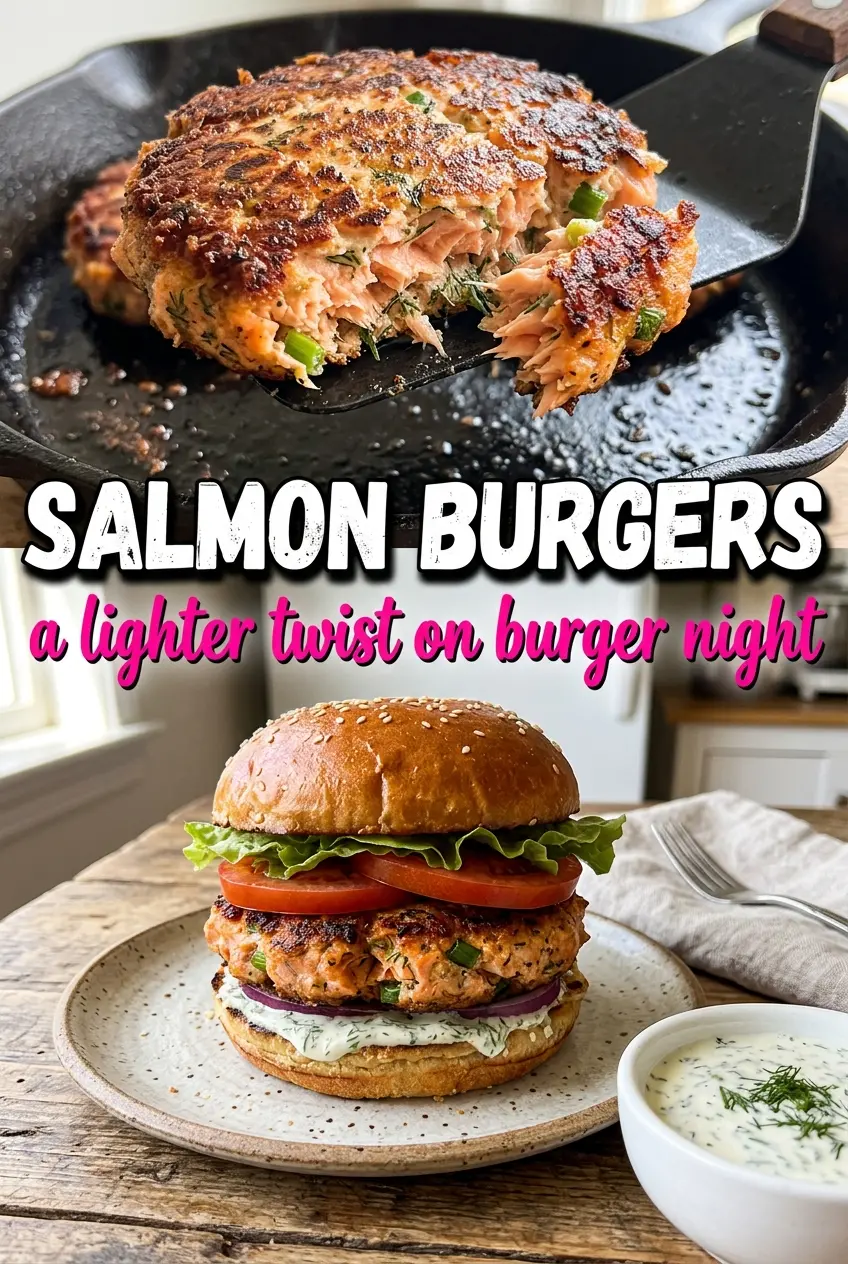
Salmon Burgers
Ingredients
Equipment
Method
- Combine the chopped salmon, breadcrumbs, egg, mayonnaise, dill, Dijon mustard, lemon juice, garlic powder, salt, and pepper in a bowl until evenly mixed.
- Shape the mixture into 4 patties, about ¾-inch thick.
- Heat the olive oil in a large skillet over medium heat until shimmering.
- Sear the patties for 4–5 minutes per side, until golden and cooked through, flipping only once for a clean crust.
- Toast the buns lightly in the same skillet.
- Build the burgers with lettuce, tomato, and your favorite sauce before serving.