Smoky beef potato soup lands in the bowl with deep, beefy broth, tender potatoes, and enough smoke from the paprika and chipotle to make the whole pot taste like it simmered far longer than it did. The broth turns rich and mahogany-colored, the beef softens without falling apart, and the potatoes hold their shape just enough to give each spoonful some body. It’s the kind of soup that eats like a full meal, not a starter.
The trick is building flavor in layers instead of throwing everything into the pot at once. Browning the beef first gives you those dark bits on the bottom that carry the broth, and blooming the paprika, cumin, and chipotle in the hot fat keeps the spices from tasting flat. Fire-roasted tomatoes add depth without making the soup taste tomato-heavy, and Yukon Gold potatoes hold their texture better than starchy russets, so the broth stays hearty instead of cloudy.
Below you’ll find the exact timing that keeps the beef tender and the potatoes intact, plus a few smart swaps if you need to work with what’s already in the kitchen.
The broth got that deep smoky color after the spices bloomed, and the potatoes stayed chunky instead of turning to mush. My husband went back for a second bowl before I’d even sat down.
Love the smoky broth and tender beef in this soup? Save it to Pinterest for the nights when you want a hearty one-pot dinner with real depth and almost no fuss.
The Browning Step That Gives This Soup Its Depth
If the beef goes into the pot pale, the soup will taste like boiled meat and potatoes, no matter how long it simmers. You want real color on the outside of the beef before anything else touches the pot. That browned crust is where the deep savory note comes from, and it also leaves behind fond on the bottom of the pan that turns into the backbone of the broth.
The other place people lose flavor is the spice step. Smoked paprika, cumin, and chipotle powder need a minute in the hot fat before the liquid goes in, or they can taste dusty instead of rounded and warm. Keep the heat steady and stir just long enough for the spices to smell fragrant. If they darken too fast, the pot is too hot and the paprika can turn bitter.
What Each Ingredient Is Actually Doing in This Pot
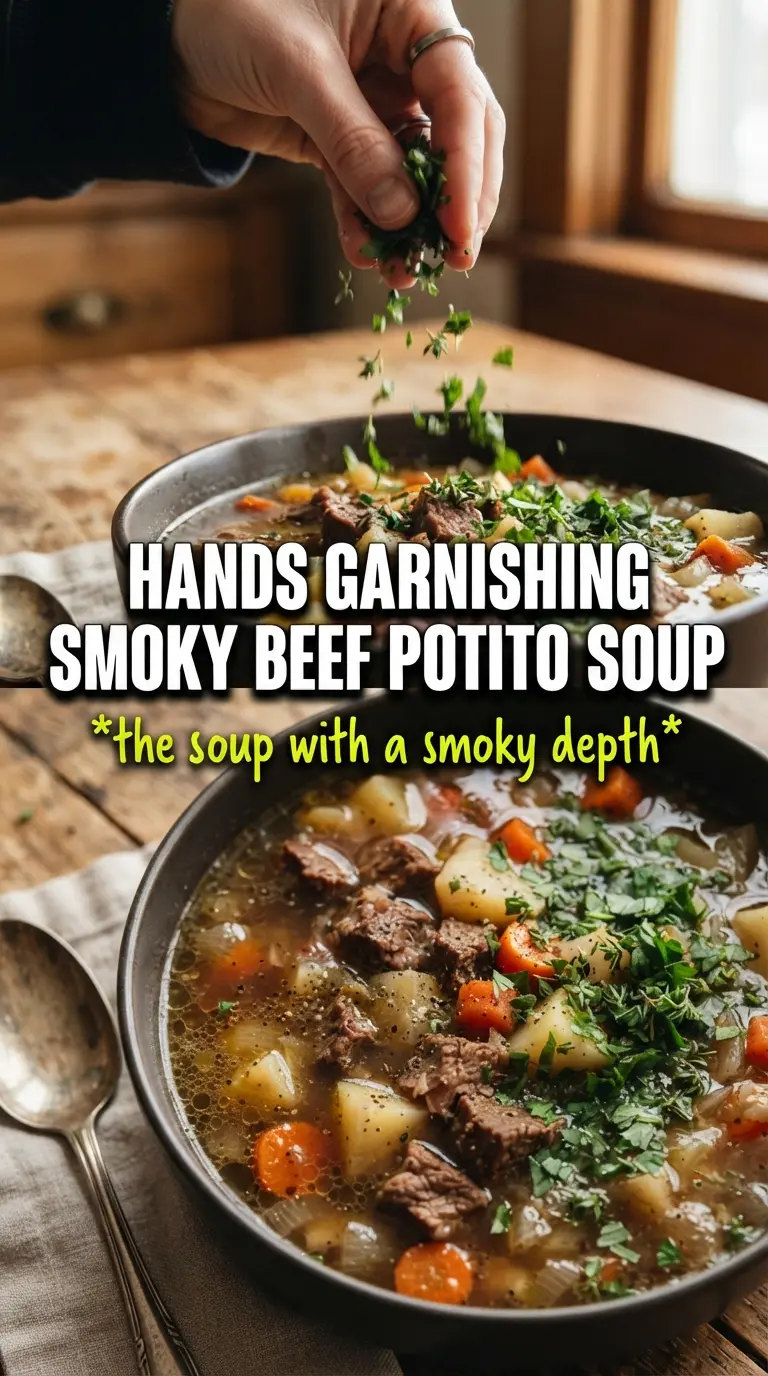
- Beef stew meat or chuck — Chuck is the better choice if you can get it because the fat and connective tissue soften into the broth as it simmers. Stew meat works too, but cut it into even cubes so it cooks at the same pace. If you only have a leaner cut, shorten the simmer slightly and keep a close eye on tenderness.
- Yukon Gold potatoes — These hold their shape better than russets and give the soup a silky, almost buttery texture without breaking down completely. Peel them if you want a cleaner broth, or leave some skin on for a more rustic bowl. Russets will thicken the soup more, but they can turn grainy if they cook too long.
- Fire-roasted tomatoes — These add a dark, savory acidity that fits the smoky beef better than plain diced tomatoes. They keep the broth from feeling heavy. If you swap in regular diced tomatoes, add a pinch more smoked paprika to keep the flavor from flattening out.
- Smoked paprika and chipotle powder — These are the ingredients that make the soup taste distinctly smoky instead of just beefy. Smoked paprika brings warmth and color, while chipotle adds a little heat and a deeper pepper note. If you’re sensitive to spice, cut the chipotle in half first; the soup will still have plenty of smoke.
- Worcestershire sauce — A small amount sharpens the beef flavor and rounds out the broth. It’s not enough to taste like Worcestershire, but you’ll notice when it’s missing. If you need a substitute, use soy sauce plus a splash of vinegar, though the result will be saltier and less layered.
The Simmer That Turns Browned Beef and Potatoes Into Soup
Building the Base
Start by seasoning and searing the beef in a hot Dutch oven until it’s dark on several sides, then take it out before it crowds the pot. The goal isn’t to cook it through at this point; you’re chasing color. Once the onion, carrot, and celery go in, scrape the bottom of the pot well so all that stuck-on browned flavor dissolves into the vegetables instead of staying behind.
Blooming the Spices
When the garlic goes in, give it just a minute before adding the remaining paprika, cumin, and chipotle powder. Stir constantly so the garlic doesn’t scorch. The spices should smell earthy and smoky almost immediately. If the pot is dry or the heat is too high, the paprika can burn fast, so keep everything moving.
Simmering Until the Beef Softens
Add the broth, tomatoes, Worcestershire, and browned beef, then bring the pot to a boil before dropping it to a steady simmer. That first boil matters because it gets the pot back up to temperature quickly, but the long cook should happen gently. You want small bubbles, not a rolling boil, or the beef can tighten instead of turning tender.
Adding the Potatoes at the Right Time
Wait to add the potatoes until the beef has had a head start. If they go in too early, they’ll lose their edges before the meat is tender. After the potatoes are in, simmer just until they yield easily to a fork and the beef gives up without resistance. The broth should be thick enough to coat a spoon, with the potatoes still visible as distinct pieces.
Make It Dairy-Free and Still Rich
This soup is naturally dairy-free as written, which is part of why it tastes so clean and beefy. If you want extra body without cream, mash a few potato cubes against the side of the pot before serving. That thickens the broth without changing the flavor or adding another ingredient.
How to Make It Milder
Cut the chipotle powder in half and use a little less smoked paprika if you want the soup to stay smoky without any real heat. You’ll still get a deep, savory broth, just with a softer finish. A dollop of sour cream at the table also cools the heat without changing the pot itself.
Stretch It for a Bigger Crowd
Add an extra cup of broth and one more potato if you need to feed more people without losing the thick, hearty texture. The flavor holds up well, but don’t skimp on seasoning after the extra liquid goes in. Taste at the end and adjust salt and pepper after the simmer, not before.
Storage and Reheating
- Refrigerator: Store in an airtight container for up to 4 days. The potatoes absorb some broth as it sits, so the soup thickens a bit overnight.
- Freezer: It freezes well for up to 3 months, though the potatoes soften slightly after thawing. Cool it completely first, then freeze in portions for easier reheating.
- Reheating: Warm it slowly on the stove over medium-low heat and add a splash of broth if it looks too thick. The biggest mistake is blasting it on high heat, which can toughen the beef and make the potatoes start breaking apart.
Answers to the Questions Worth Asking
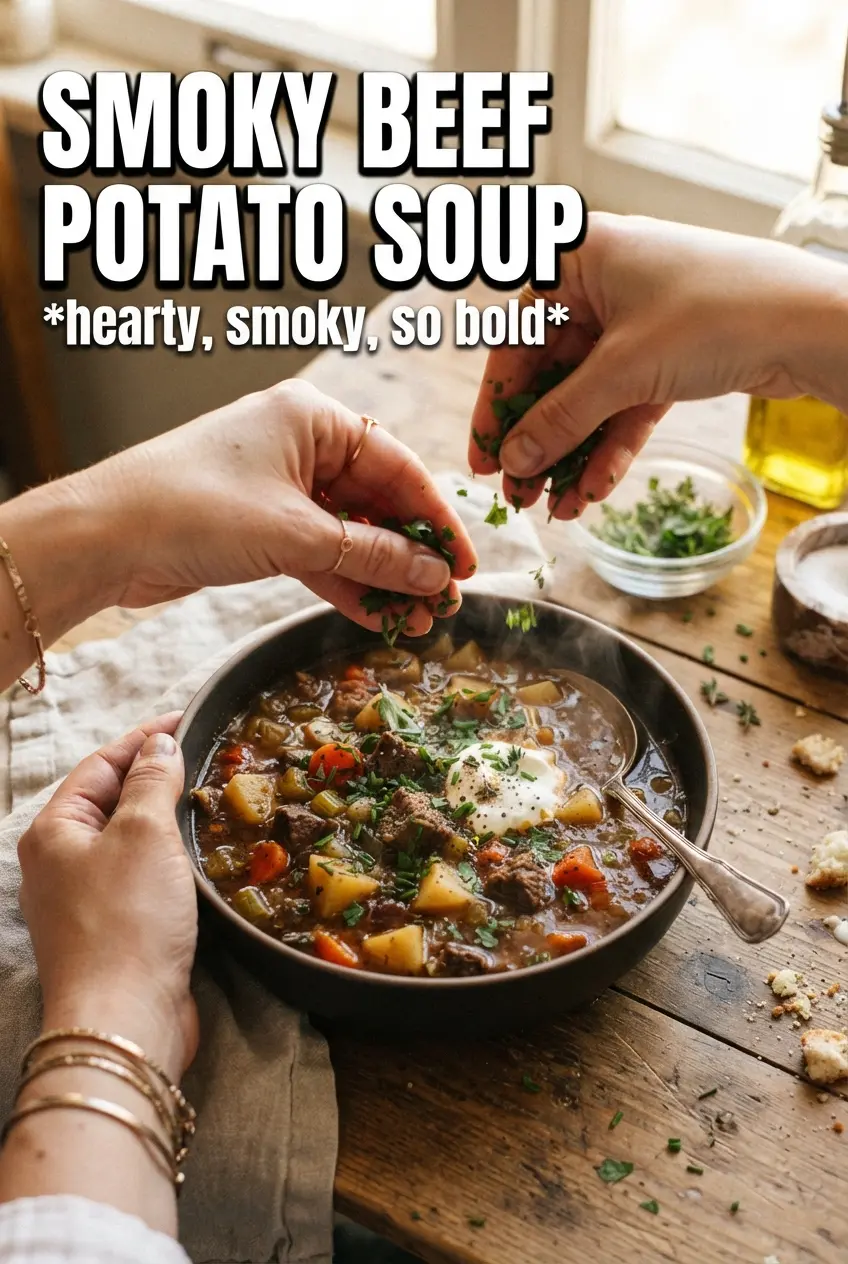
Smoky Beef Potato Soup
Ingredients
Equipment
Method
- Season the beef with salt, pepper, and 1 tablespoon smoked paprika, then heat the olive oil in a Dutch oven over high heat until hot. Sear until deeply browned on all sides, then remove the beef to a plate.
- Add the onion, carrots, and celery to the same pot and cook for 5 minutes, stirring as needed. Add the garlic and cook for 1 minute until fragrant.
- Stir in the remaining smoked paprika, cumin, and chipotle powder, and cook for 1 minute to bloom the spices. Add the beef broth, fire-roasted tomatoes, Worcestershire sauce, and the browned beef, then bring the mixture to a boil.
- Reduce the heat to a simmer and cook for 25-30 minutes. Add the potatoes and simmer for 20 more minutes until the beef and potatoes are tender.
- Season the soup with salt and pepper to taste, then turn off the heat. Garnish with fresh parsley just before serving for a fresh green cue.