The potatoes look ready when a fork slips through, but the few minutes after draining decide whether the mash turns fluffy or watery. I let them sit in the warm pot for a minute before mashing, which gives the steam somewhere to go instead of leaving extra moisture behind. That small pause is one reason these Southern mashed potatoes come out soft and creamy rather than loose.
Russets are a good fit here because their starchy, tender texture breaks down easily under a masher. I warm the butter and milk together before adding them, too; cold dairy can cool the potatoes and make it harder to get a smooth finish. With the potatoes cooked until fork-tender and the dairy warm but not boiling, the mash takes on a buttery feel without losing its fluffy character.
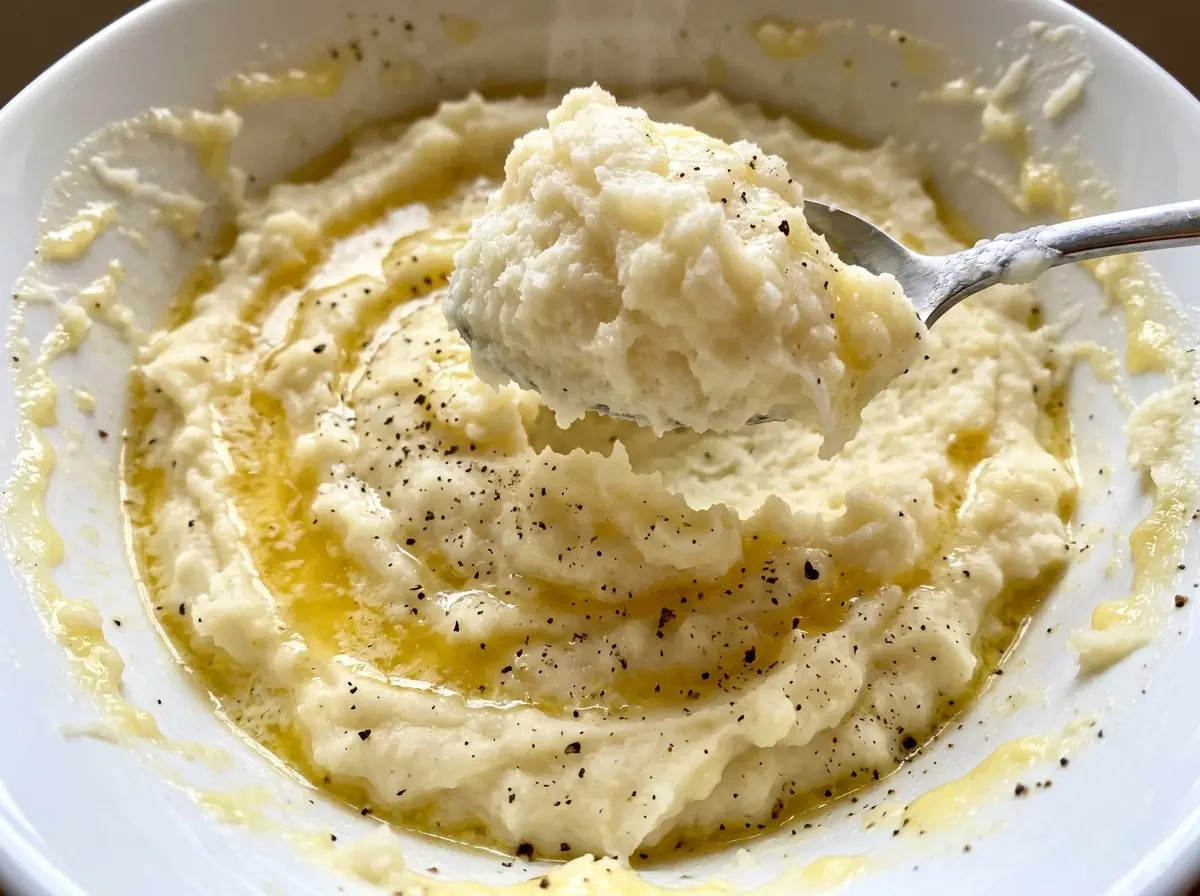
Kitchen Note
Warm the butter and milk gently, just until the butter melts and the milk feels warm. If the mixture starts bubbling, take it off the heat; boiling isn’t needed, and warm dairy blends into the potatoes more smoothly.
Save these Southern mashed potatoes for a table that needs a fluffy, buttery side with simple ingredients and no fussy steps.
Why a One-Minute Steam Keeps Russet Mash From Turning Watery
Russets soften into a fluffy mash, but boiled potatoes hold water on their surfaces and in their cut edges. If that moisture goes straight into the bowl, the butter and milk have to compete with it, and the finished potatoes can feel loose instead of creamy. Draining well is the first part of the fix; letting the potatoes steam briefly in the warm pot finishes the job.
After draining, return the potatoes to the pot and give them one minute before mashing. You’ll see a little steam rise, and the potatoes will look less wet around the edges. That pause doesn’t dry them out; it clears away excess surface moisture so the warm dairy can coat the potato instead of thinning it. Keep the potatoes in the warm pot for this short rest, then mash while they’re still hot.
Why Russets, Warm Dairy, and Unsalted Butter Belong Together

- Russet potatoes — Their starchy flesh mashes into a light, fluffy texture. Choose firm potatoes without soft spots; Yukon Golds work in the same amount if that’s what you have, but the mash will be denser and more naturally creamy. Peel and cut the potatoes into evenly sized chunks so they soften at a similar pace.
- Unsalted butter — Butter brings richness and helps give the potatoes their smooth, rounded feel. Unsalted butter lets you control the seasoning at the end. A good everyday stick works well here; there’s no need for a specialty butter.
- Whole milk — Whole milk loosens the mash while keeping it creamy. Half-and-half can replace it in the same amount for a richer result, though the potatoes will feel heavier. Warm whichever dairy you use with the butter rather than pouring it in cold.
- Ground black pepper — Pepper adds a gentle savory bite that keeps the buttery potatoes from tasting flat. Use the grind you already have; freshly ground pepper gives a more pronounced aroma, while standard ground pepper blends in evenly.
From Fork-Tender Potatoes to Creamy Mash
Start the Potatoes in Cold, Salted Water
Put the peeled potato chunks in a 6-quart pot and cover them with cold water by about 1 inch, using 3 quarts or enough to reach that depth. Add 2 teaspoons of the kosher salt, then bring the pot to a boil over high heat. Once it boils, reduce the heat to maintain a steady simmer and cook for 15 to 20 minutes. A fork should slide into a chunk easily; if the center still feels firm, keep simmering rather than mashing early.
Drain Well and Let the Steam Escape
Drain the potatoes thoroughly, then return them to the warm pot. Leave them there for 1 minute so excess moisture can steam away. Mash until no large lumps remain, using steady pressure rather than beating the potatoes hard. If the pieces are still resisting the masher, they need more cooking next time; undercooked centers are difficult to smooth out.
Warm the Butter and Milk Without Boiling
While the potatoes cook, combine the butter and milk in a small saucepan over low heat. Warm them for about 2 to 3 minutes, until the butter has melted and the milk is warm. Keep an eye on the pan and don’t let the mixture boil. A gentle warmth is all you need before it goes into the potatoes.
Mash in the Dairy and Season
Pour the warm butter mixture into the mashed potatoes and mash until creamy. Stir in the remaining 1 teaspoon of kosher salt and the black pepper, then taste a spoonful while the potatoes are warm. Stop once the texture is creamy and there are no large lumps; prolonged, forceful mixing can make potatoes heavy and pasty. Serve warm.
Three Easy Ways to Change the Flavor or Make Them Dairy-Free
Make a Dairy-Free Batch
Replace the butter with dairy-free butter and use plain, unsweetened oat milk in place of whole milk. Warm them together as you would the original dairy, then mash them into the potatoes. The result stays creamy, with a slightly less buttery flavor; avoid sweetened or vanilla oat milk, which would make the potatoes taste off.
Fold in Roasted Garlic
Mash soft roasted garlic into the potatoes after adding the warm butter and milk. Start with a little and add more to taste; roasted garlic brings a mellow sweetness without the sharp bite of raw garlic. The mash will be slightly more aromatic and savory.
Turn Them Into Cheddar Potatoes
Stir finely shredded sharp cheddar into the hot potatoes after the warm dairy is mixed in. Add it gradually so it melts through without leaving large pockets of cheese. The cheddar makes the mash richer and more savory, so taste before adding the final salt.
Storage and Reheating
- Refrigerator: Refrigerate leftovers within 2 hours and keep them in a covered container for 3 to 4 days. They’ll firm up as they chill.
- Freezer: Freeze in an airtight container for up to 1 month for best quality. Thaw overnight in the refrigerator; the texture may be a little grainier after freezing.
- Reheating: Reheat gently in a saucepan over low heat, stirring in a splash of milk as needed to loosen the potatoes. Heat to 165°F, and avoid high heat, which can scorch the bottom before the center warms.
Questions That Come Up When Making Southern Mashed Potatoes
Southern Mashed Potatoes
Ingredients
Method
- Put the potatoes in a 6-quart pot.
- Add the cold water and 2 teaspoons of the kosher salt.
- Bring to a boil over high heat.
- Reduce the heat to maintain a simmer and cook for 15 to 20 minutes, until the potatoes are easily pierced with a fork.
- Drain the potatoes well.
- Return them to the warm pot.
- Let them steam for 1 minute.
- Mash until no large lumps remain.
- Warm the butter and milk in a small saucepan over low heat until the butter melts and the milk is warm, about 2 to 3 minutes; do not let it boil.
- Pour the warm butter mixture into the potatoes.
- Mash until creamy.
- Stir in the remaining 1 teaspoon kosher salt and the black pepper.
- Serve warm.